
Facials for Sensitive Skin: Ideal Treatments After Aesthetic Procedures
Why Does the Skin Become Sensitive?
Procedures such as chemical peels, laser treatments, microneedling, or cosmetic treatments temporarily weaken the skin’s protective barrier. This makes the skin more vulnerable to irritation, dehydration, and external aggressors if not cared for correctly.
Recommended Facial Treatments for Sensitive Skin
Calming and Repairing Facials
These treatments are designed to soothe irritation, reduce redness, and restore comfort to the skin. They use gentle techniques and specialized products formulated for sensitive or post-procedure skin.
Deep Hydration and Barrier Repair
Hydration plays a critical role in skin recovery. These facials help rebuild the skin’s protective barrier, prevent flaking, and support faster healing.
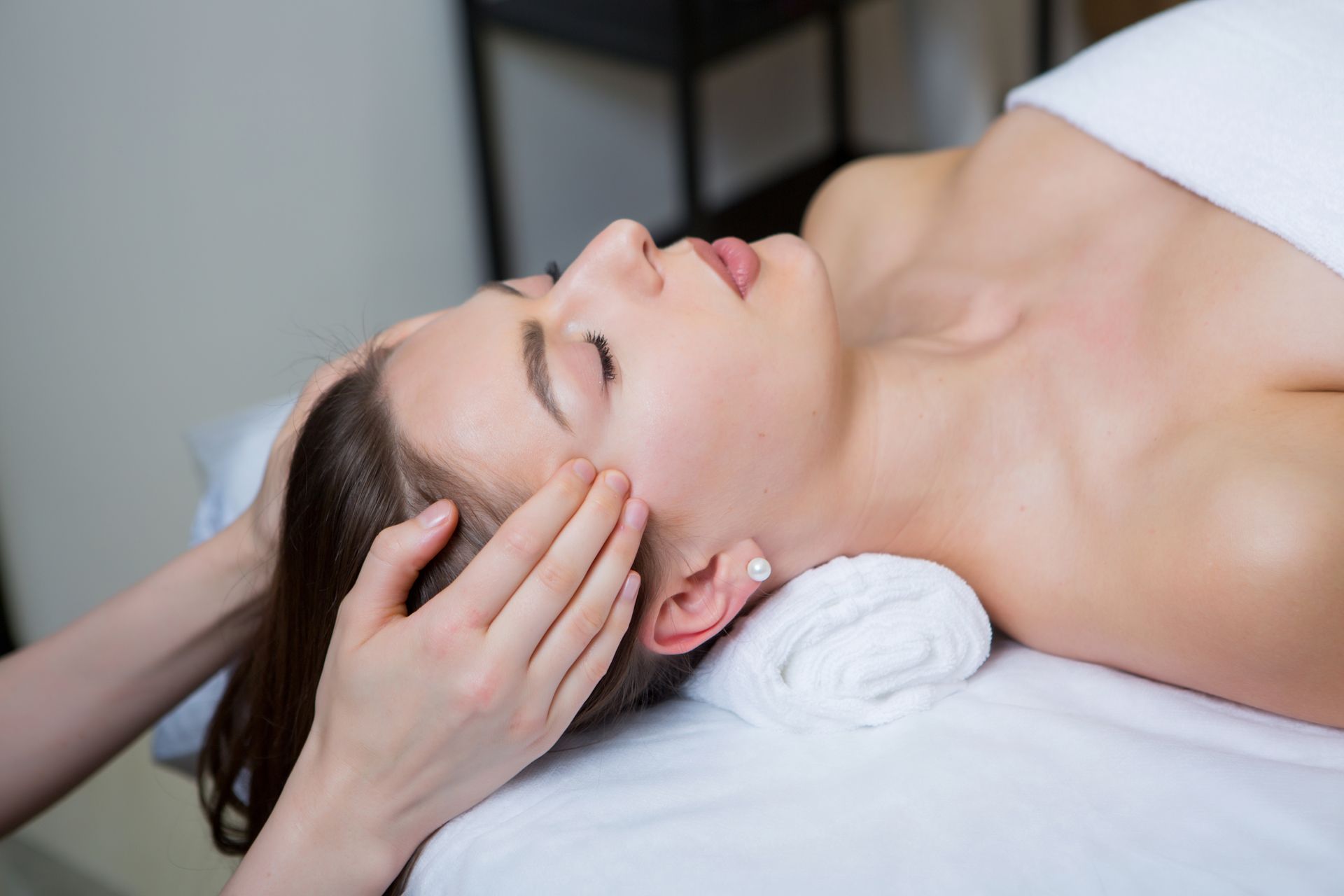
Gentle Therapeutic Facial Massage
When performed correctly, light facial massage improves circulation and helps reduce inflammation without overstimulating or irritating the skin.
Treatments to Avoid During Recovery
- Aggressive exfoliation
- Strong acids or active ingredients
- Harsh devices or abrasive techniques
- Products with fragrances or alcohol
Benefits of Proper Post-Procedure Facial Care
- Faster and safer skin recovery
- Reduced inflammation and sensitivity
- Improved results from aesthetic procedures
- Healthier, balanced skin
Conclusion
Post-procedure facials for sensitive skin are not a luxury—they are an essential part of proper skincare recovery. Professional care ensures the skin heals safely and effectively.