

Postoperative Fibrosis: What It Is, How to Prevent It, and How to Treat It
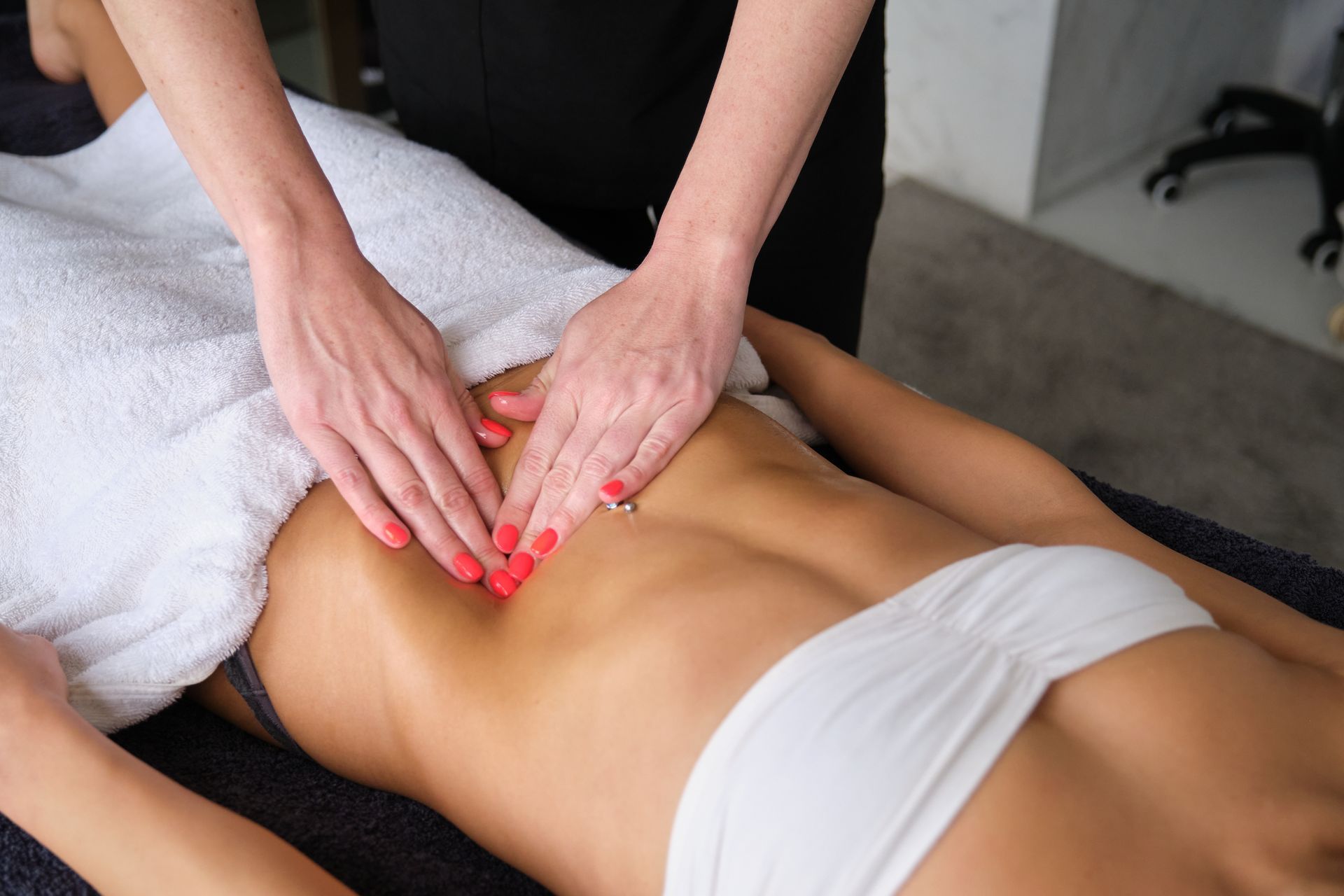
What Is Postoperative Fibrosis?
Fibrosis is a natural response of the body during the healing process. It occurs when scar tissue forms excessively, leading to hard areas, nodules, or irregularities in the treated area. While it is part of healing, unmanaged fibrosis can affect appearance and mobility.
Common Causes of Fibrosis
- Prolonged inflammation
- Fluid retention
- Poor circulation
- Lack of proper post-surgical care
How to Prevent Postoperative Fibrosis
Specialized Post-Surgical Massage
Lymphatic drainage and therapeutic massage help reduce swelling, improve circulation, and prevent fluid buildup that contributes to fibrosis.
Starting Treatment at the Right Time
Beginning post-surgical massages at the appropriate stage—according to medical guidance—is crucial for optimal healing.
Proper Use of Compression Garments
Compression garments help support tissue adaptation, reduce swelling, and promote even healing.
Treating Existing Fibrosis
When fibrosis has already developed, specialized massage therapy can help:
- Soften hardened tissue
- Improve circulation
- Reduce discomfort
- Enhance the overall aesthetic outcome
Conclusion
Postoperative fibrosis should not be ignored. With timely, professional treatment, it can be managed effectively, leading to smoother results and a more comfortable recovery.